Account
Use the Web Portal to stay up to date on internal resources, calendars, and happenings. You must be a registered user to login.

Use the Web Portal to stay up to date on internal resources, calendars, and happenings. You must be a registered user to login.
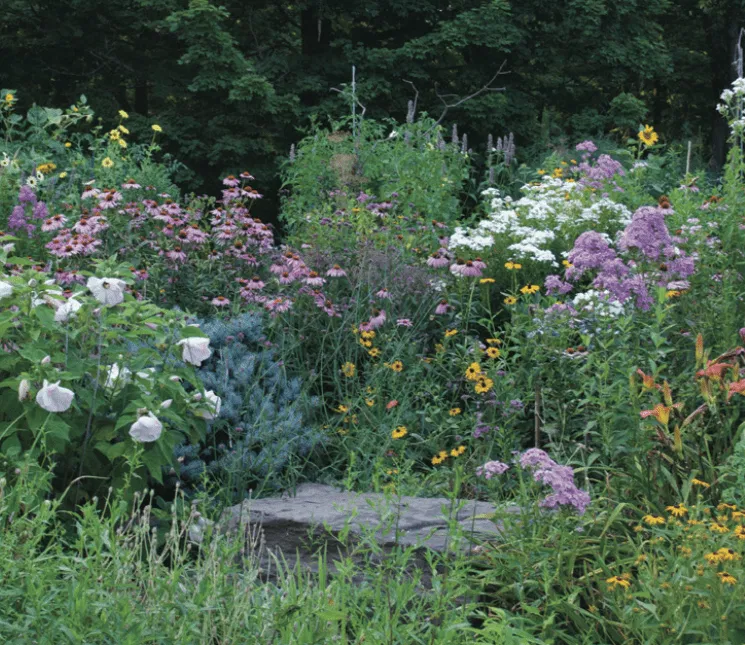
Explore the creative process of landscape design—from how to use texture, color and constructed aspects—to how to choose the best native plant solutions for your landscape. With each class building upon the last, this extensive course will help you design a customized garden area perfect for your property. In this expanded six-part series, retired landscape architect Don Borden—a former professor at Temple and Delaware Valley universities—will utilize his 16 years of teaching experience to help you understand the ins and outs of the design process and help you create a personalized landscaping plan.
Those attending should select a project area they would like assistance with and bring photographs and a sketch or plan of the area to the first class. Seminar participants should also bring soft pencils, markers, colored pencils and yellow tracing paper to each class.
Don Borden is a retired registered landscape architect who earned degrees from Rutgers University in landscape architecture and Temple University in landscape design. He has 47 years in professional practice and taught landscape design at Temple University and landscape architecture at Delaware Valley University.
Dates and Times: 10 am – 1 pm
Admission: $225; Members: $180 (with discount code)
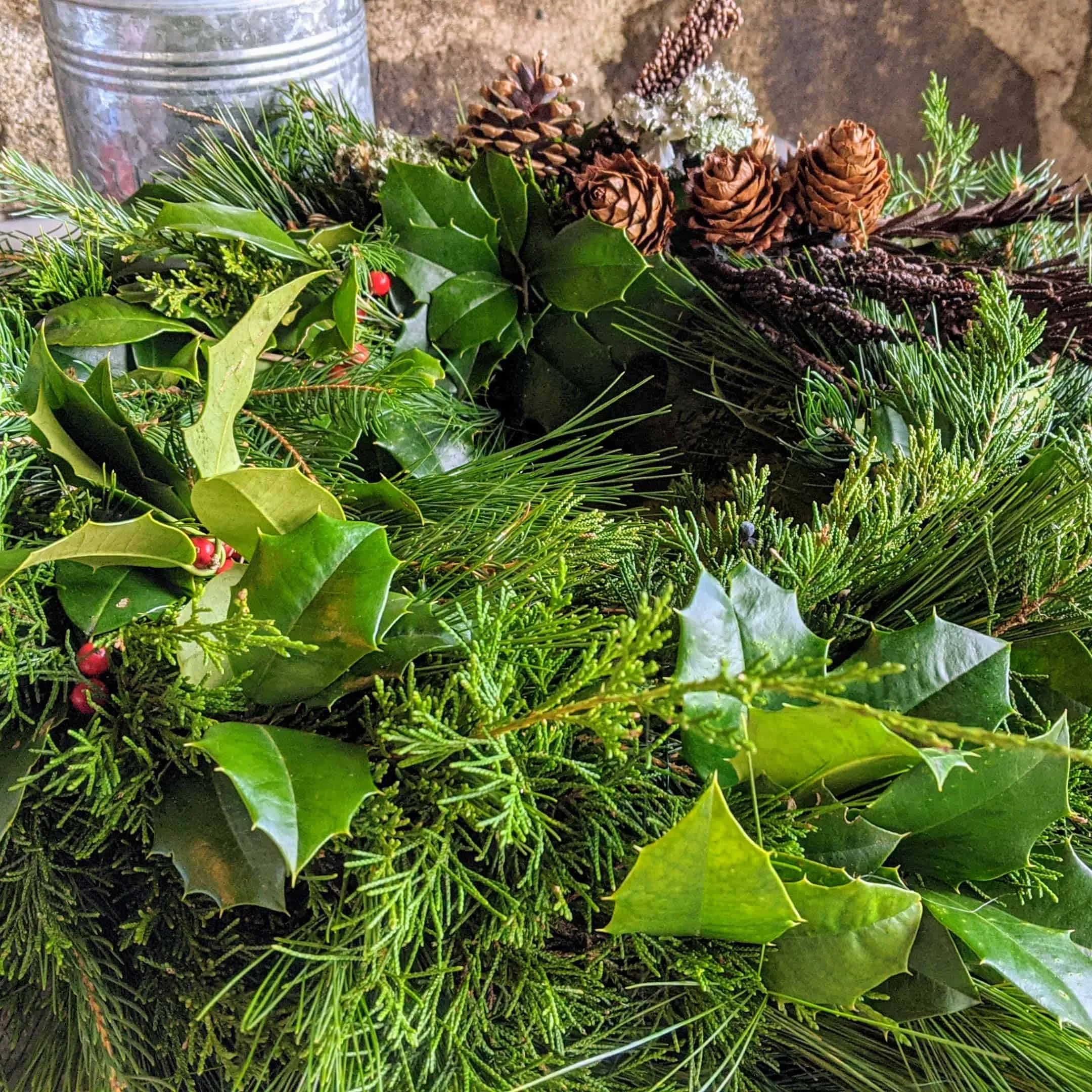
Join the fun and make a festive holiday wreath out of natural materials and native plants, including Eastern juniper (Juniperus virginiana), white pine (Pinus strobus) and American holly (Ilex opaca). In this festive workshop, follow a step-by-step demonstration and hands-on instruction to help you create a work of art you’ll be proud to display during the holiday season. Space is limited for this program, so register early. For ages 14 and up.
The registration fee includes all materials.
Advance registration with payment is required by Dec. 05, 2024.
This is an all-outdoor event and will take place at the Moore Pavilion. Participants are encouraged to bring their own backyard, garden and decorative materials (like ribbons) to add as personalized accent pieces if they wish.
Join the fun and make a festive holiday wreath out of natural materials and native plants, including Eastern juniper (Juniperus virginiana), white pine (Pinus strobus) and American holly (Ilex opaca). In this festive workshop, follow a step-by-step demonstration and hands-on instruction to help you create a work of art you’ll be proud to display during the holiday season. Space is limited for this program, so register early. For ages 14 and up.
The registration fee includes all materials.
Advance registration with payment is required by Dec. 05, 2024.
This is an all-outdoor event and will take place at the Moore Pavilion. Participants are encouraged to bring their own backyard, garden and decorative materials (like ribbons) to add as personalized accent pieces if they wish.
Executive Summary Bowman’s Hill Wildflower Preserve (“the Preserve”) takes the position that climate change is a well-established, scientifically validated phenomenon that presents serious challenges to the Preserve’s mission-centric work. Significant changes in weather patterns and events, in combination with other …
As more and more of the land around us is developed and/or degraded, the home landscape is becoming increasingly important in the preservation of healthy, balanced ecosystems. We now know how important it is to change our perceptions and our practices in finding new ways to define the beauty we want in our yards and gardens while simultaneously preserving the natural world as it was meant to be. Therefore, we must learn to incorporate practices that preserve landscapes in their more natural states.
First and foremost, this means planting species on your property that evolved to grow there.
Plants that are native to a given locale or ecosystem evolved to coexist with all other forms of life also found there, and—along with soil type and climate considerations—form the foundation of complex food webs in which species are dependent on each other for their very survival.
Quite simply, the abundant and highly diverse native species of plants, shrubs, vines and trees characteristic of our landscape do a better job—the best ecologically-balanced job—of providing food and shelter for the many insects, birds, amphibians, reptiles, mammals and other life forms that can, and should, be found there.
Using more native plants has many other benefits as well. Aesthetically, they can be beautiful, and many have long blooming seasons. Many native plants also have other worthwhile attributes, such as beautiful foliage or bark, attractive seed heads and striking fall color, and their appeal may cover several seasons of the year as well, including winter.
This bundle will grant you access to the full set of Knowing Native Plant Programming (VIRTUALLY) for 2024.
Price: $325
Additional Information: Online registration for this bundle closes 12 hours before the start of the first class. If you need help with registration, please email education@bhwp.org. If you need assistance with your membership code, please contact membership@bhwp.org.
You will receive an email with a Zoom meeting invitation before each program begins and after its registration closes.
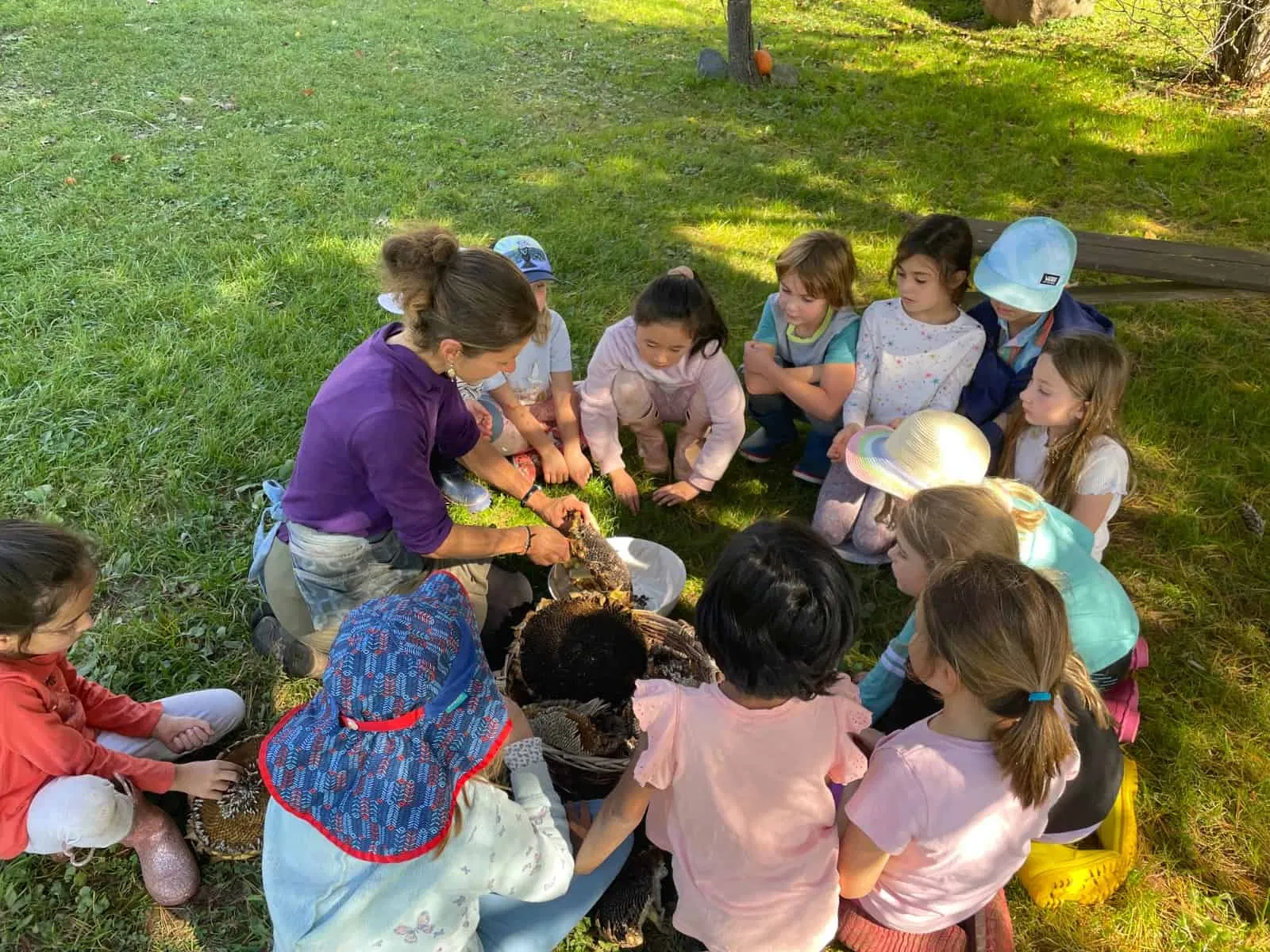
From insights that arose in Europe over 100 years ago, the biodynamic approach to stewarding the land offers a unique opportunity. Based on a variety of holistic principles, biodynamic gardening and farming cultivates awareness of co-creation between humanity and the natural realm. The development of one’s intuition is valued over acquiring information and allowing for more meaningful work to take place. Mindful applications in the garden invite reciprocity to become foundational. In this introductory conversation, Environmental Educator Valerie Leone will present the concepts of biodynamics in a relatable way. This new consciousness of the gardener can allow the landscape under their care to reach its vibrant potential.
Raised in the landscape of the Baltic region, Valerie Leone has always been immersed in outdoor life. Her gardening experience includes a wide range: from family subsistence plots, to residential design, to natural restoration and to her most recent work of gardening with school children. An environmental educator for almost 20 years, Valerie has developed practical ways to nurture her students. Through creative applications, she aims to deepen the integral bond between human beings and the kingdom of nature.
All lectures will be held virtually using Zoom. They will be recorded and shared with everyone who registers for a short time. Zoom invitations will be sent out after this time to the email used to register for the event via education@bhwp.org.
Program Fee: $15 (Members, enter your code at checkout to receive your 20% discount.)
Additional Information: Online registration for this program closes at noon on the date of the program. This lecture is part of our Annual Winter Lecture Series. The series features presentations by regionally renowned experts who address a wide range of topics related to natural history, biodiversity, ecological gardening, native plants and native wildlife.
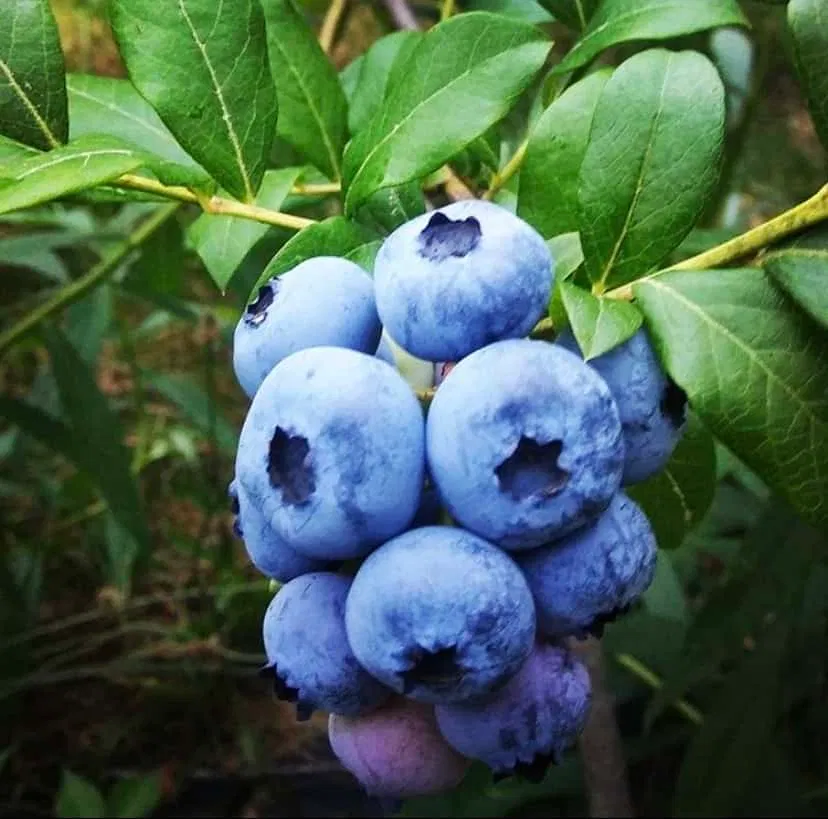
Farmer Jim Kinsel, of Chesterfield Organic Orchards & Nursery in Crosswicks, Burlington County, NJ, will talk about the benefits and challenges of growing native fruit organically in our area. He’ll highlight native varieties of small and tree fruits suitable for organic production, such as American persimmons (Diospyros virginiana), pawpaws (Asimina triloba) and blueberries (Vaccinium spp.). He will also discuss using your own compost as a fertilizer source, natural pest protection and protecting fruit from late and early frosts.
Jim Kinsel has been farming organically for over 35 years, starting as an apprentice at three NJ farms. After branching out on his own in 1991, he established the first certified organic Community Supported Agriculture program in Mercer County, NJ (then known as Watershed Organic Farm CSA), where he and his staff grew a wide variety of vegetables, fruits, flowers, herbs and dried beans. At one time, his CSA program (after name change to Honey Brook Organic Farm CSA) was the largest in the nation. He and his wife Sherry Dudas currently grow certified organic strawberries, figs, pawpaws, American and Asian persimmons, Chinese chestnuts and asparagus on 118 acres of permanently preserved farmland in Chesterfield, NJ under the name of Chesterfield Organic Orchards & Nursery, where they also nurture a fruit plant nursery.
All lectures will be held virtually using Zoom. They will be recorded and shared with everyone who registers for a short time. Zoom invitations will be sent out after this time to the email used to register for the event via education@bhwp.org.
Program Fee: $15 (Members, enter your code at checkout to receive your 20% discount.)
Additional Information: Online registration for this program closes at noon on the date of the program. This lecture is part of our Annual Winter Lecture Series. The series features presentations by regionally renowned experts who address a wide range of topics related to natural history, biodiversity, ecological gardening, native plants and native wildlife.
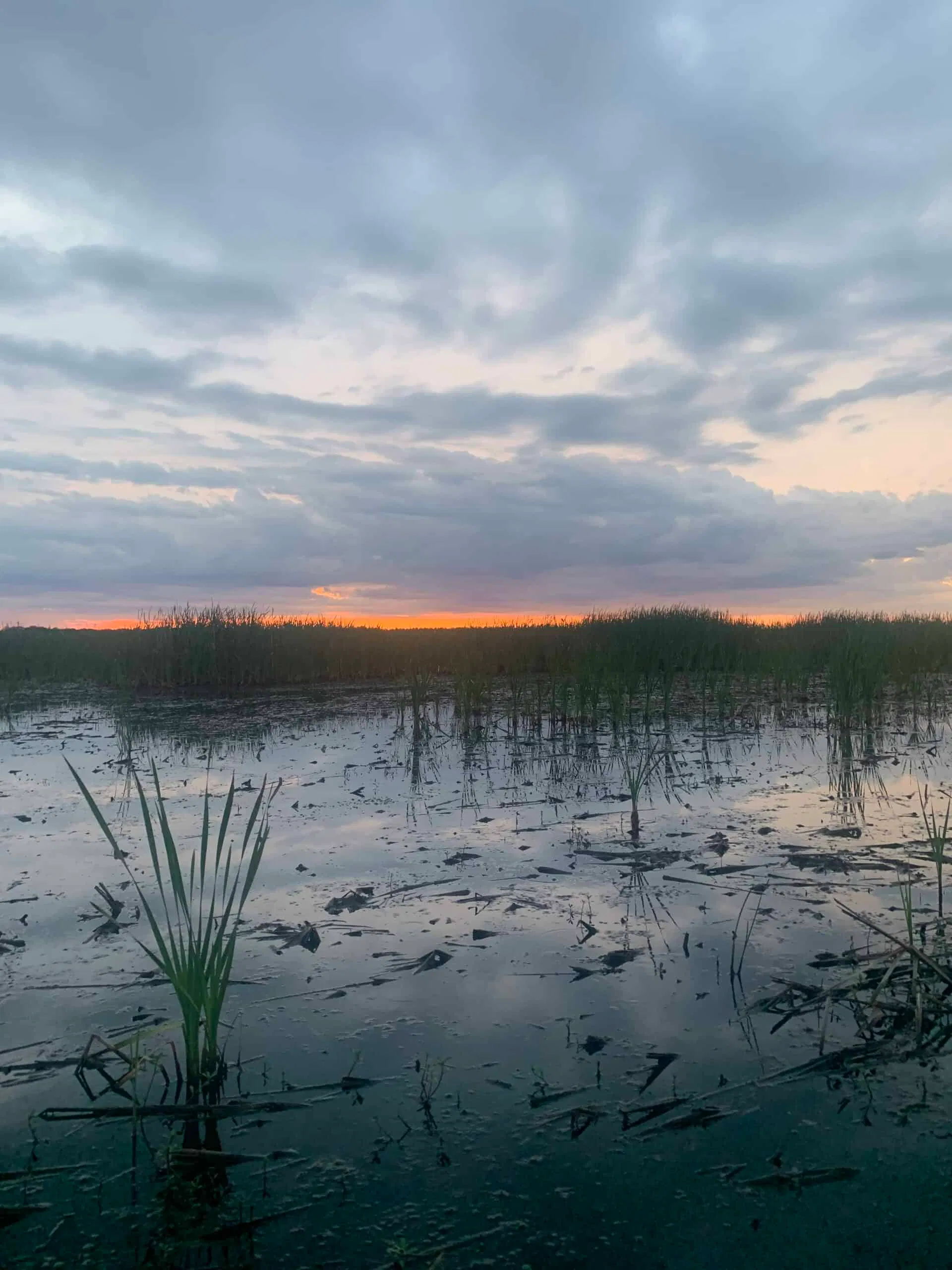
A lot of wildlife need wetlands at some point in their life, and so do humans…whaaat?! As a follow up to her previous presentation “Wonderful Wetlands” on the Thursday Night Nature series, graduate student and wetlands ecologist Jess Schmit explores how wetland ecosystems tie into the greater community, how and why human beings need wetlands, why we should care and what we can do about things such as wetland and species loss. Schmit will also describe some of her Master’s research on a secretive marsh bird, migration and breeding ecology and the importance of healthy wetland ecosystems to support threatened and endangered wildlife.
Jess Schmit is a current Master’s student at the University of Arkansas Cooperative Wildlife Research Unit. She received a B.A. in Wildlife Conservation from Delaware Valley College in 2015. Schmit worked in wildlife rehabilitation for four years while in school and also as a summer camp counselor and naturalist educator. After graduating, she began traveling as a wetlands field technician for a variety of agencies and NGOs. Her experience has been focused on wetland birds, including wading birds, ducks and swans, shorebirds and secretive marsh birds. Prior to starting her own research, Jess spent three years working with rails and loves the challenge these intelligent birds provide. Her research interests are avian and wetland ecology, migration ecology, and resiliency in relation to climate change.
All lectures will be held virtually using Zoom. They will be recorded and shared with everyone who registers for a short time. Zoom invitations will be sent out after this time to the email used to register for the event via education@bhwp.org.
Program Fee: $15 (Members, enter your code at checkout to receive your 20% discount.)
Additional Information: Online registration for this program closes at noon on the date of the program. This lecture is part of our Annual Winter Lecture Series. The series features presentations by regionally renowned experts who address a wide range of topics related to natural history, biodiversity, ecological gardening, native plants and native wildlife.
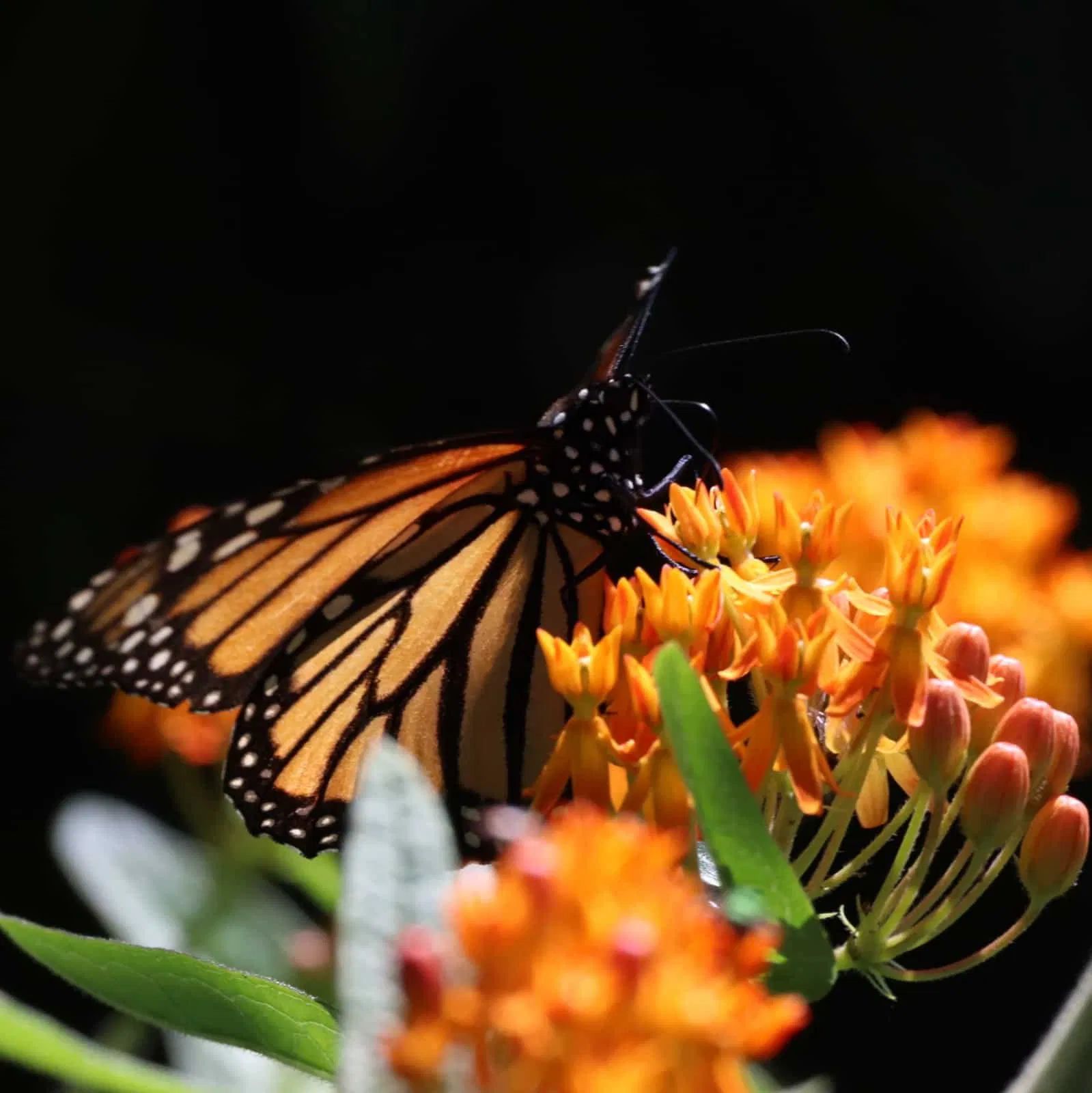
Upon adding native plants periodically in the last few years to increase biodiversity through the creation of seasonally evolving habitats for pollinators and birds, Flutter By Meadows has evolved into an unfolding seasonal tapestry: a 1-acre detention basin turned wildflower meadow, a few mini meadows and plenty of native plants and shrubs including a rain garden are continuously evolving with the seasons. Seeing the Seasons: Through the Lens of Native Plants is a journey that meanders through the garden taking notice of the role native plants play in awakening our senses to what surrounds us.
Samantha Bean loves to chronicle her discoveries about creatures that share her home while describing the habitats that exist for them on her blog. Blending the exhilaration of learning all about native plants that pique her curiosity every day with her love of writing, Flutter By Meadows is what she calls her home, her passion, her blog and her hobby. Watching the changes that take place just steps from her house, Bean is continually documenting those moments, inspiring others on the year-round magic of native plants.
All lectures will be held virtually using Zoom. They will be recorded and shared with everyone who registers for a short time. Zoom invitations will be sent out after this time to the email used to register for the event via education@bhwp.org.
Program Fee: $15 (Members, enter your code at checkout to receive your 20% discount.)
Additional Information: Online registration for this program closes at noon on the date of the program. This lecture is part of our Annual Winter Lecture Series. The series features presentations by regionally renowned experts who address a wide range of topics related to natural history, biodiversity, ecological gardening, native plants and native wildlife.